Episode 1
Turning Desert to Grassland and Feeding the Future
How a desert plot became fertile grassland in one season.
Play episode → Deserts to Grasslands Feeding the Future

Removing deserts and fixing them back into living grassland gives us good food. Delicious, tender, nutrient-dense beef raised on fermented, biodiverse forage, with the beautiful side effect of turning desert back into grassland. This is Omega Balance Natural Beef (OBNB).
Seed-oil grain-fed beef turned a nation's plate into a chronic-disease engine. The numbers now speak for themselves.
Grain-fed, seed-oil finished beef flips the essential fatty-acid balance the human body evolved to run on. High omega-6 linoleic acid oxidizes in the body, feeding inflammation behind nearly every chronic disease of the modern age.
Raised on fermented, biodiverse forage: it restores the natural fatty-acid balance, removes toxins, and beats everything else on the shelf for nutrition.
Omega Balanced Meat. For patents & licensing, contact us.
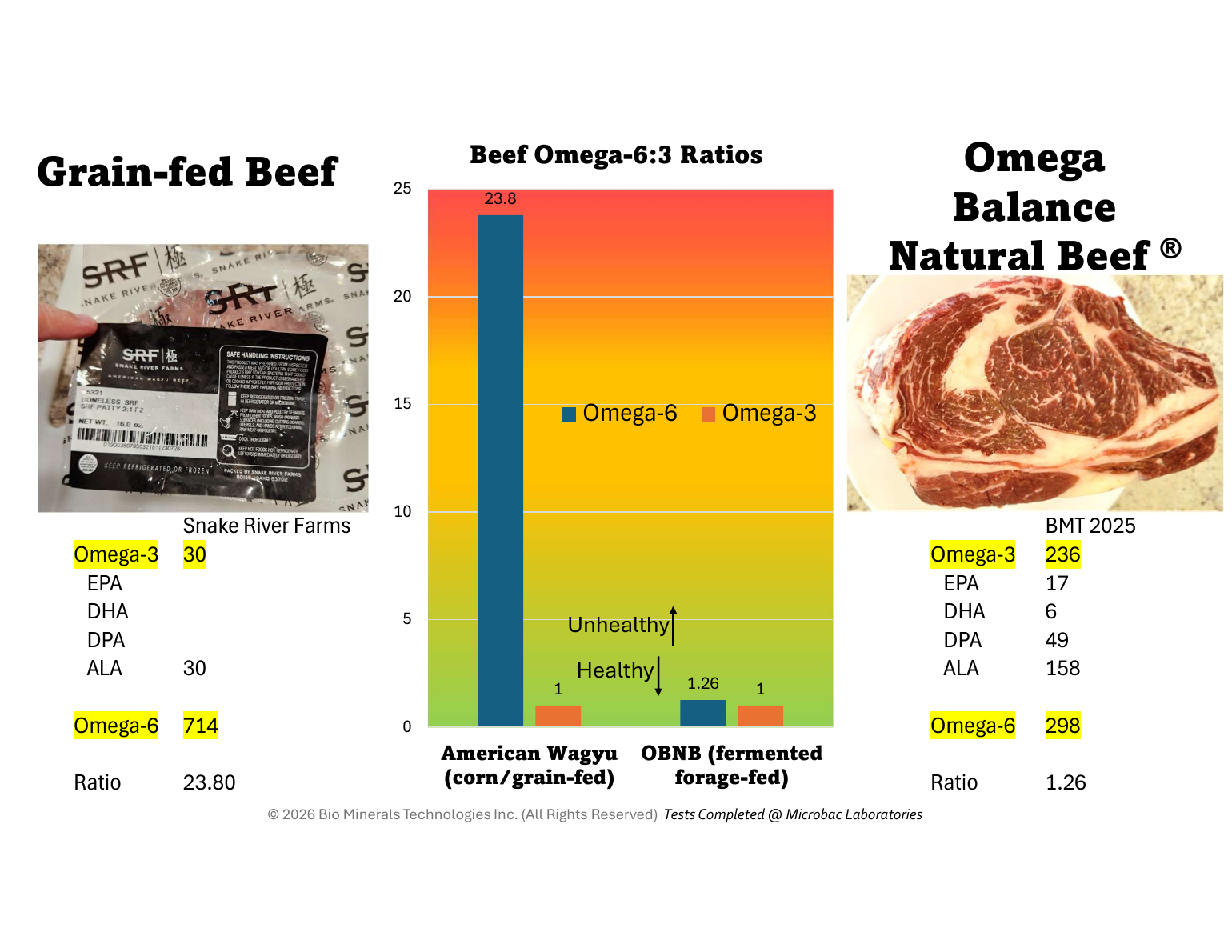
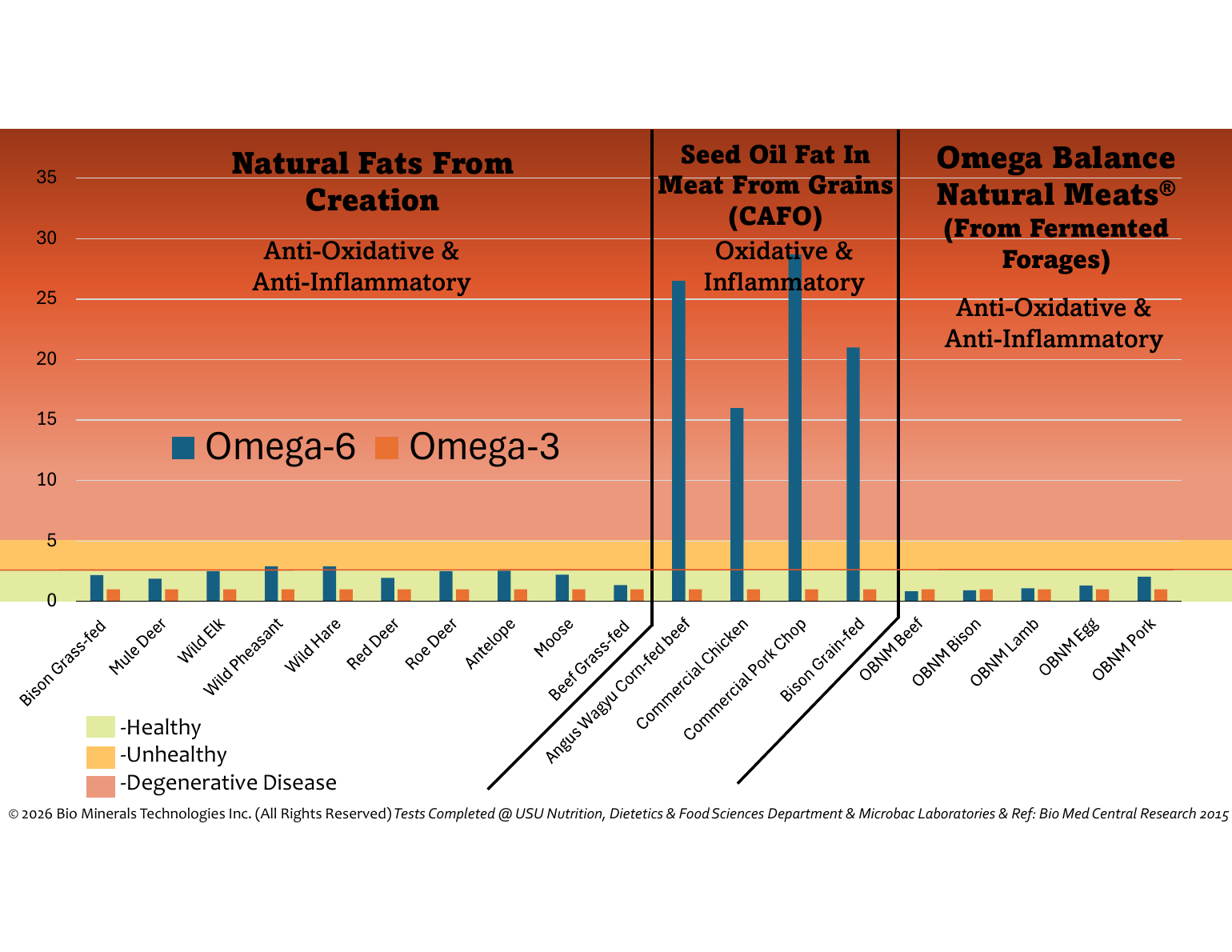
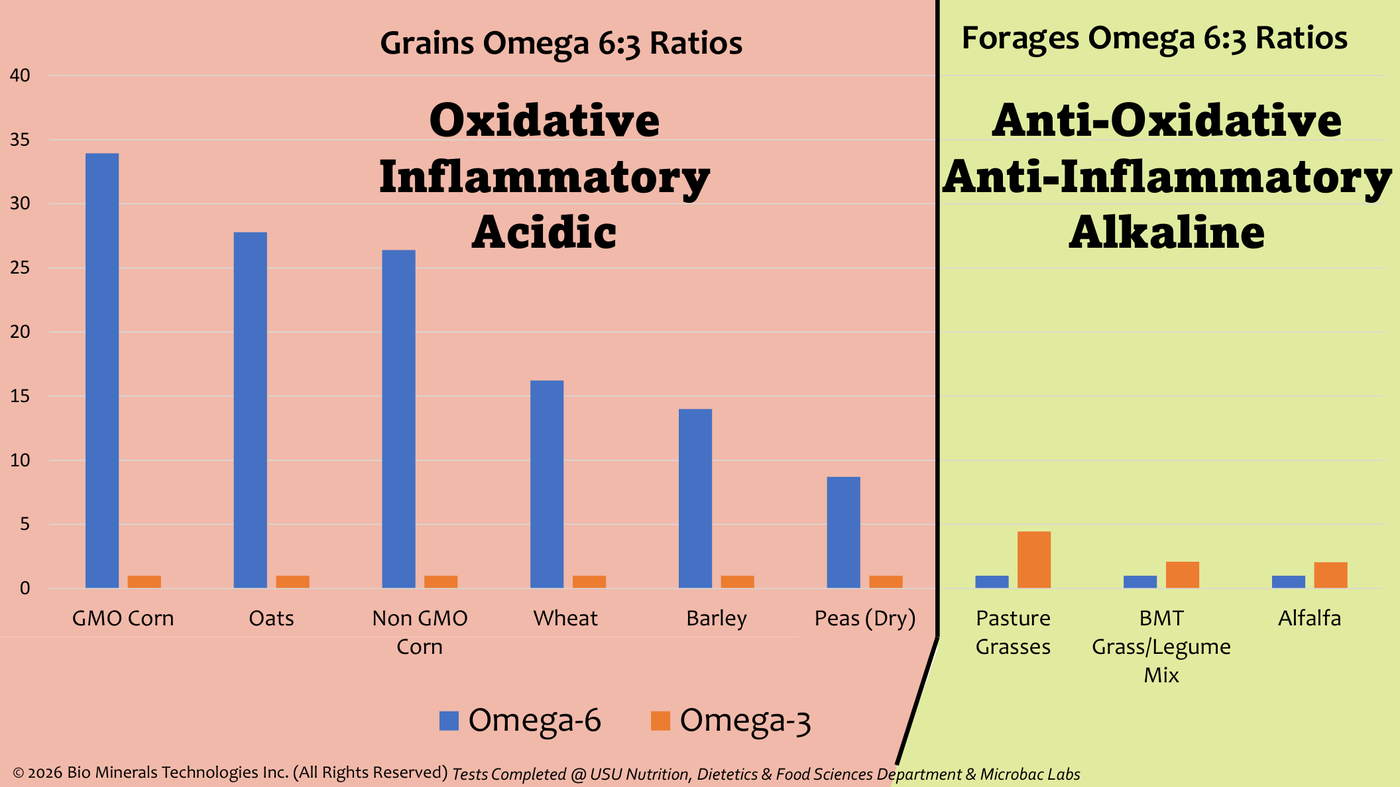
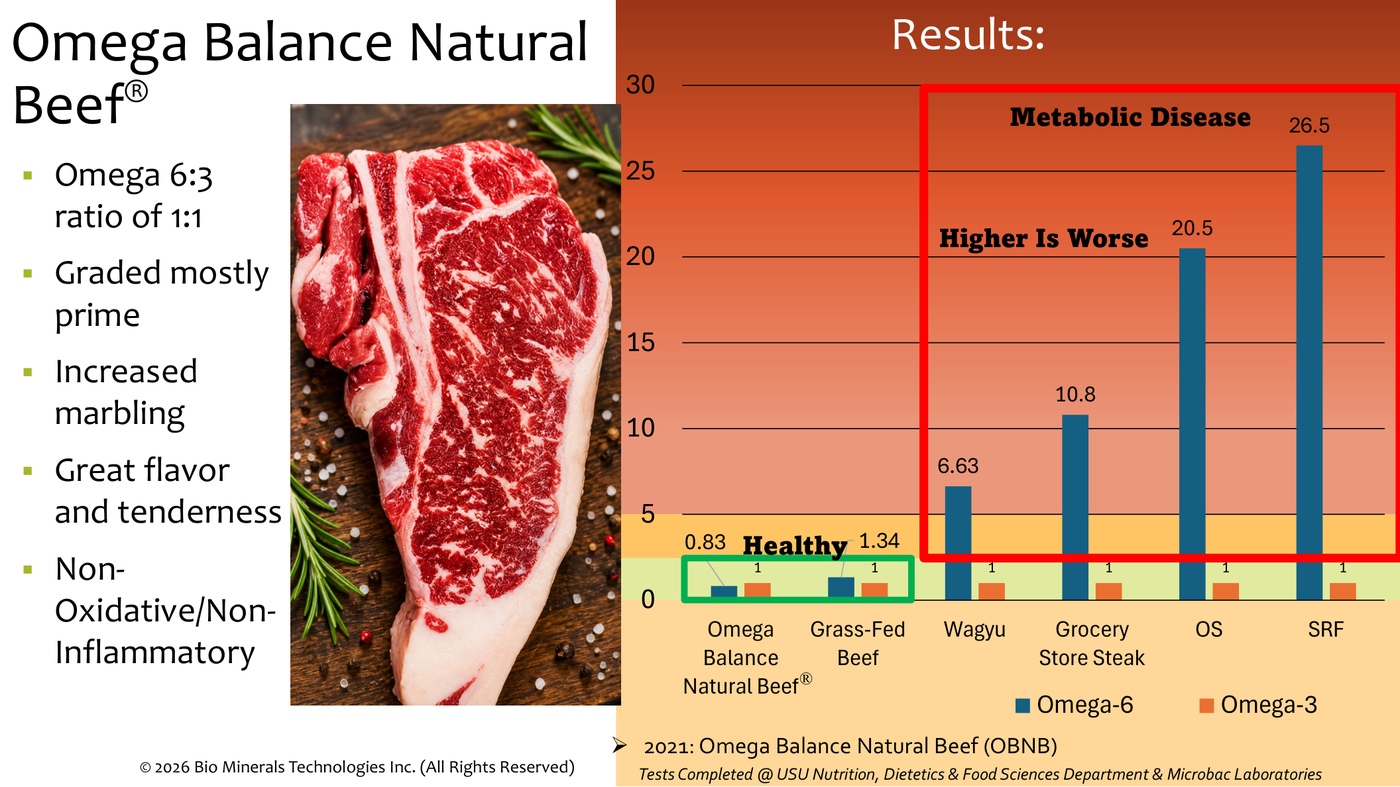
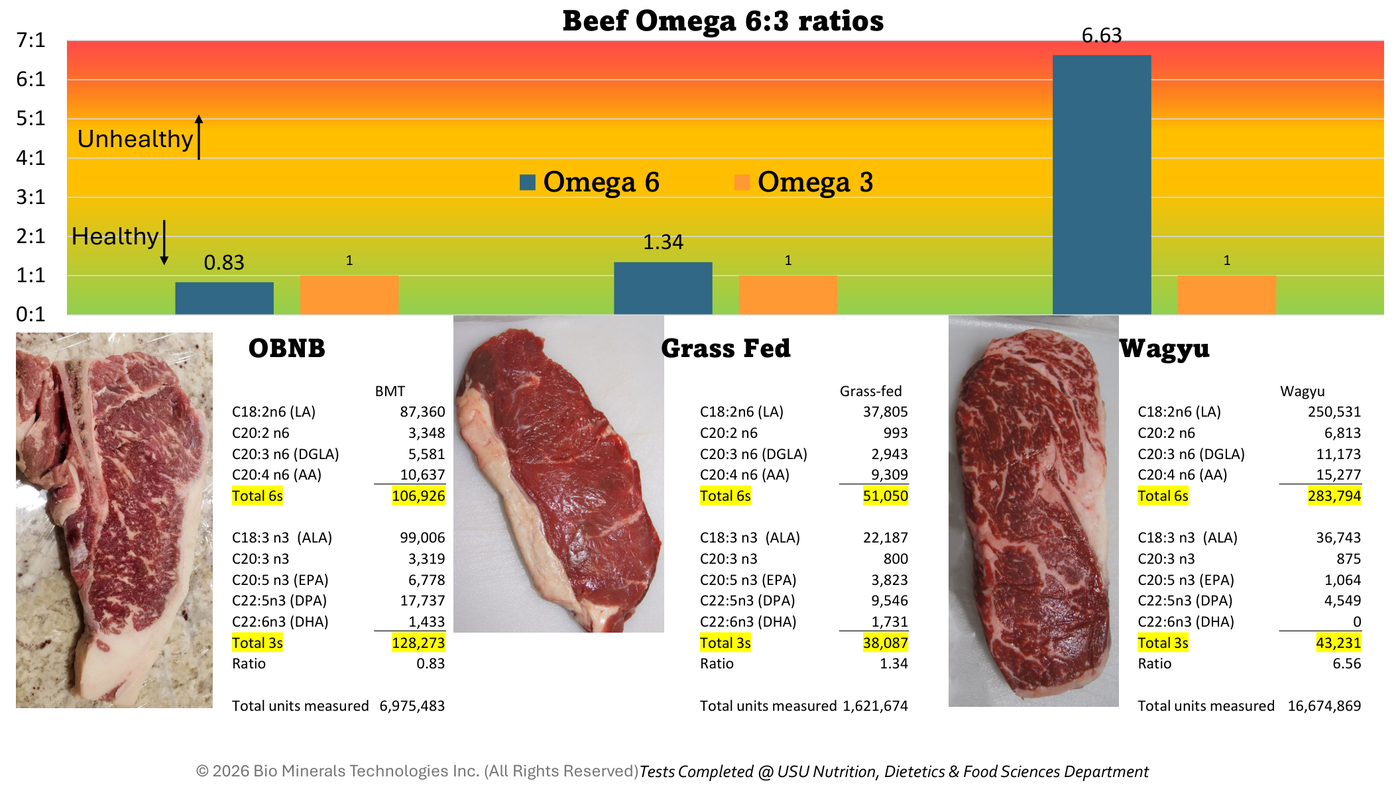
Human cells evolved around a 1:1 omega-6 to omega-3 balance. Grain-fed (feedlot) beef lands near 23.8:1. Fermented-forage-fed Omega Balanced Meat hits 1.26:1, right where the ancestral diet lived.
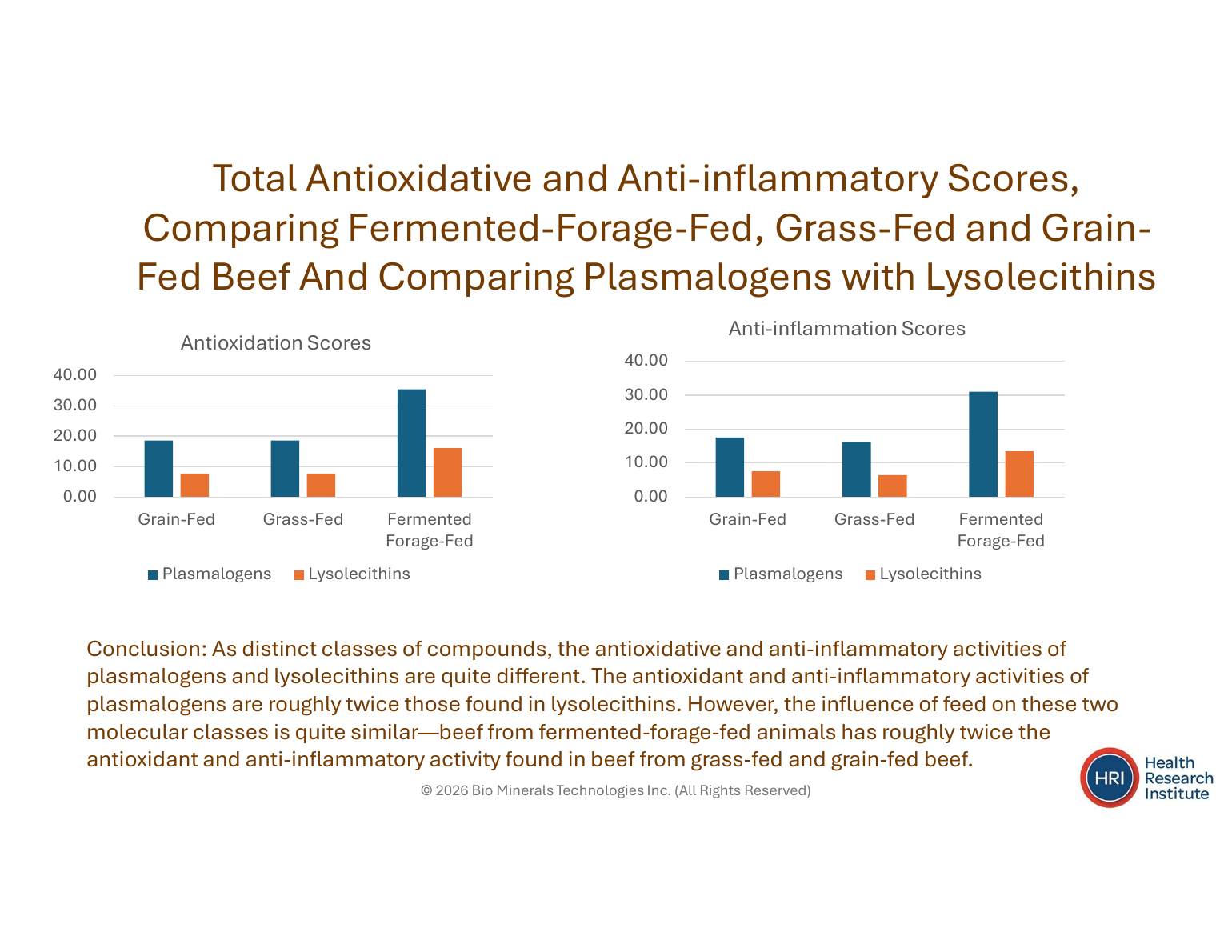
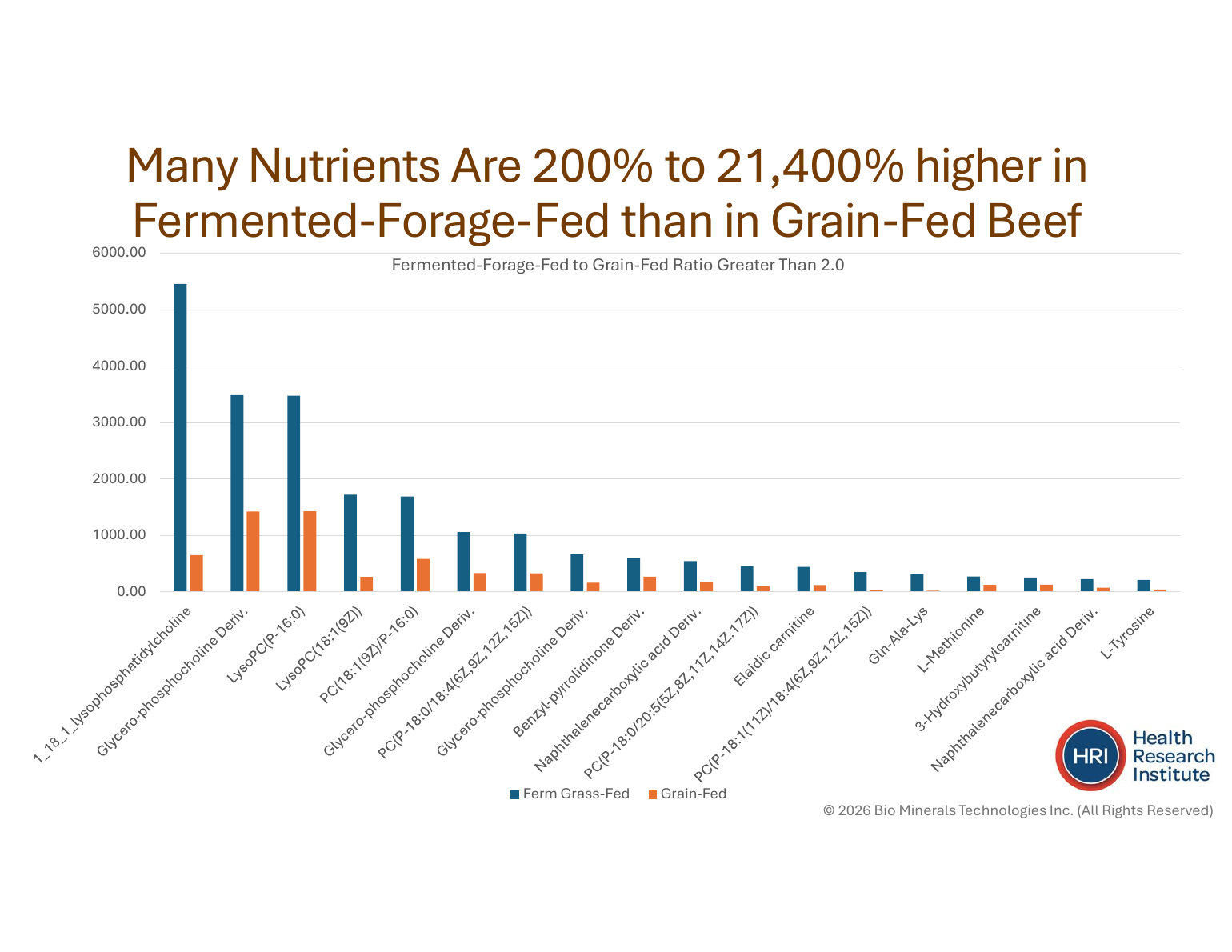
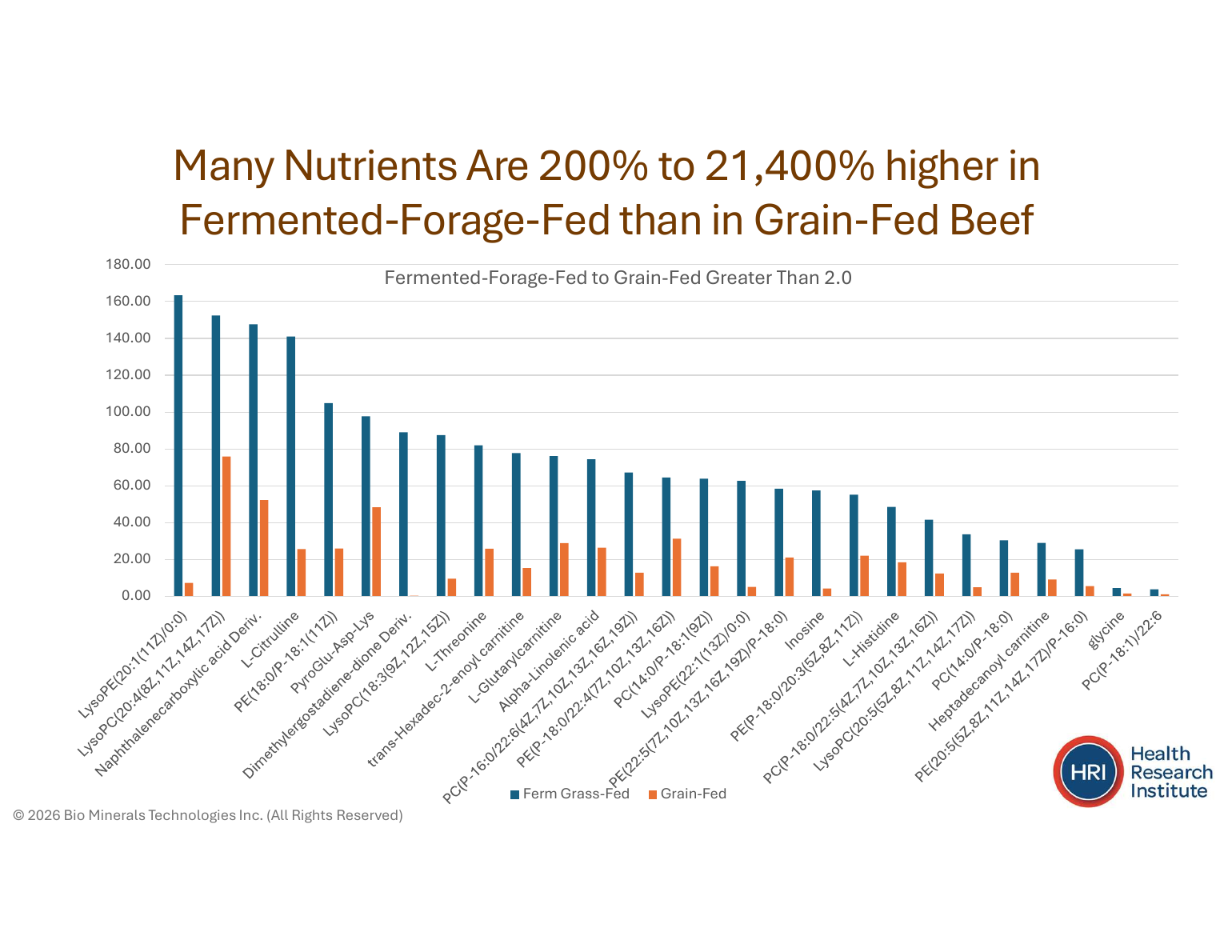
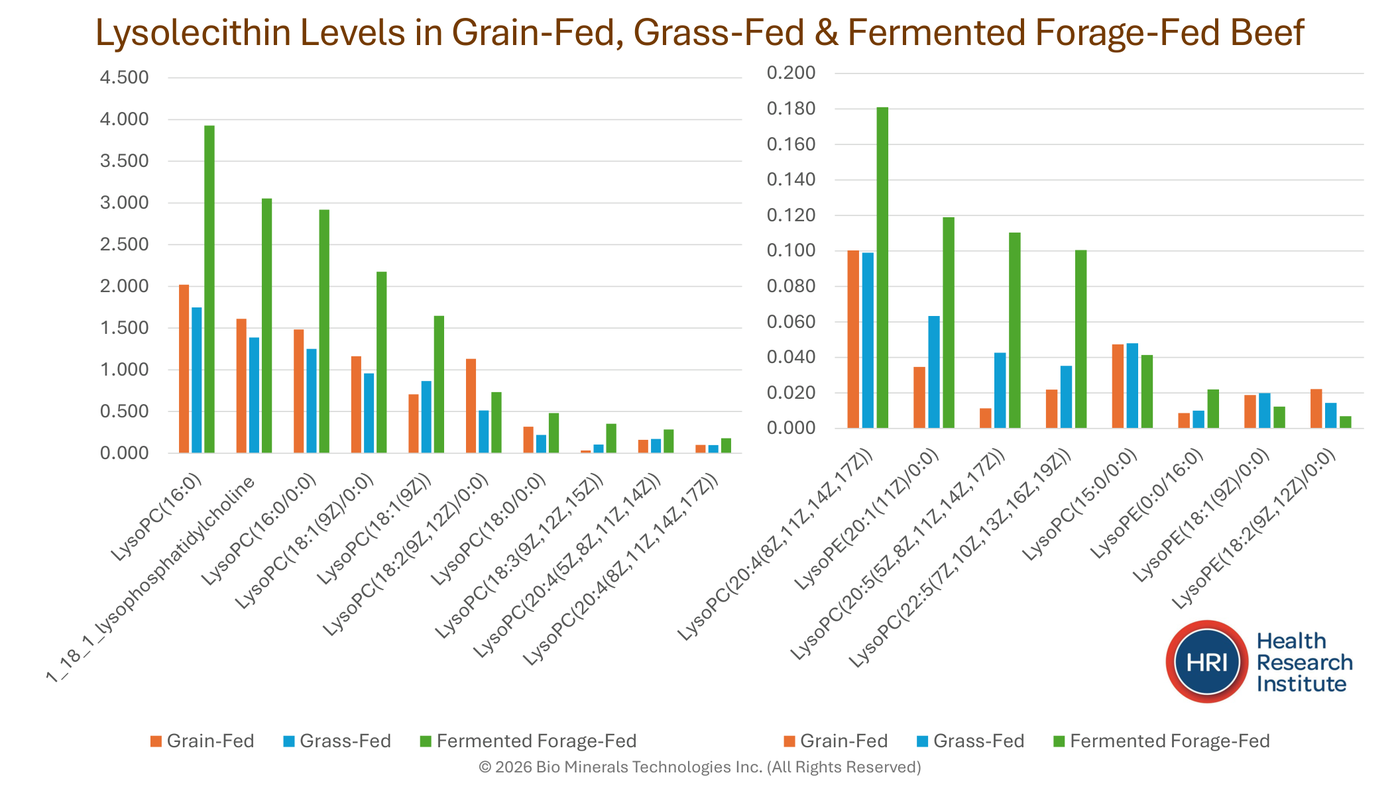
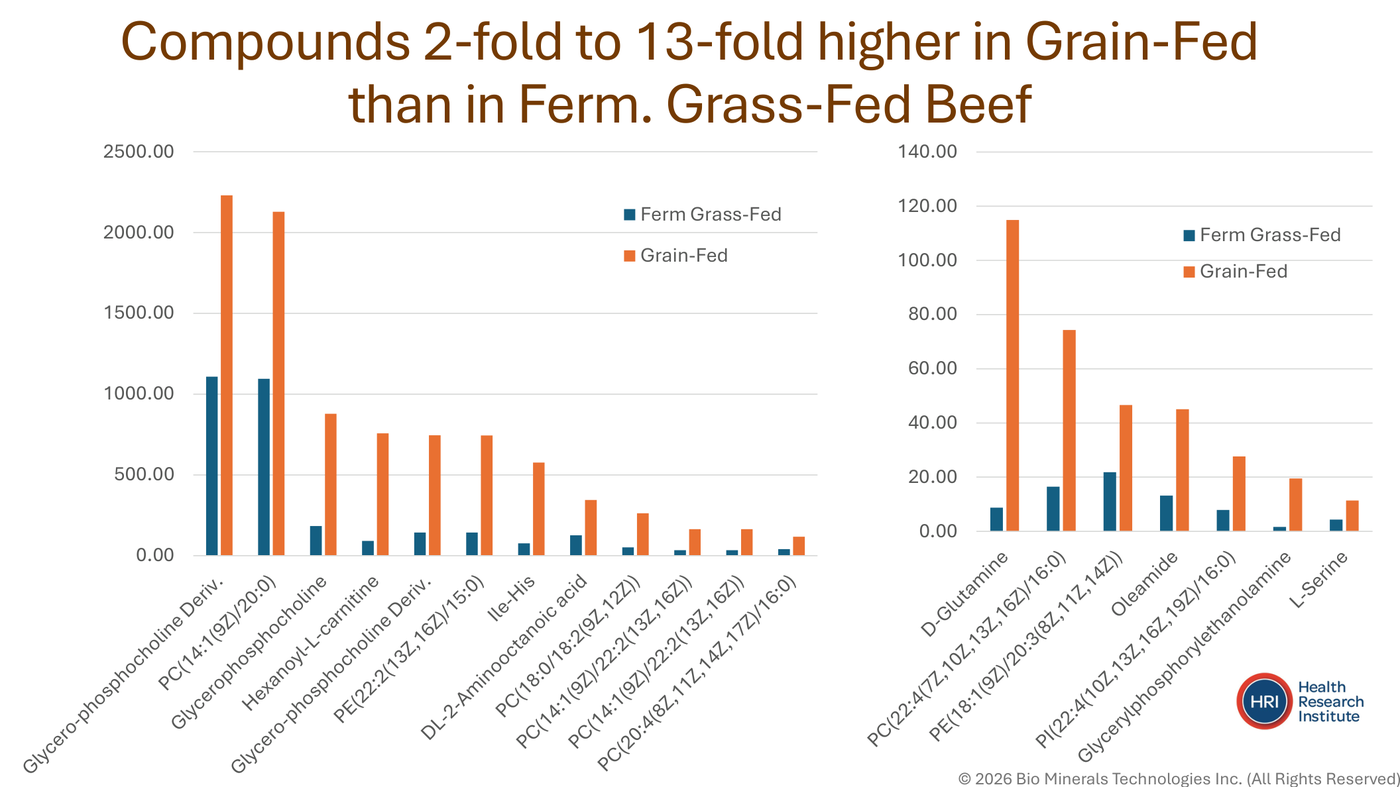
Lab-verified at Microbac & Utah State: fermented-forage-fed beef carries dramatically higher levels of the antioxidant, cell-protecting compounds your body depends on.
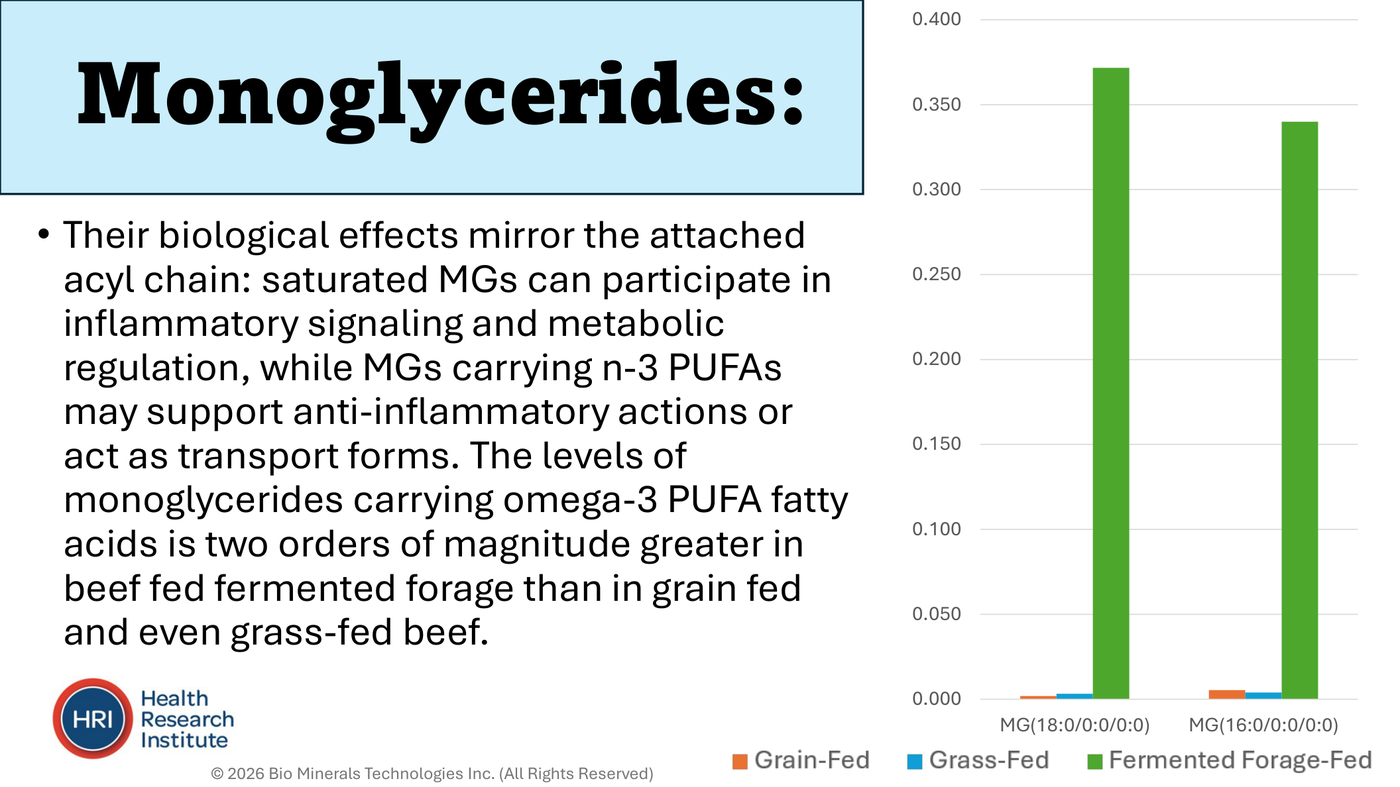
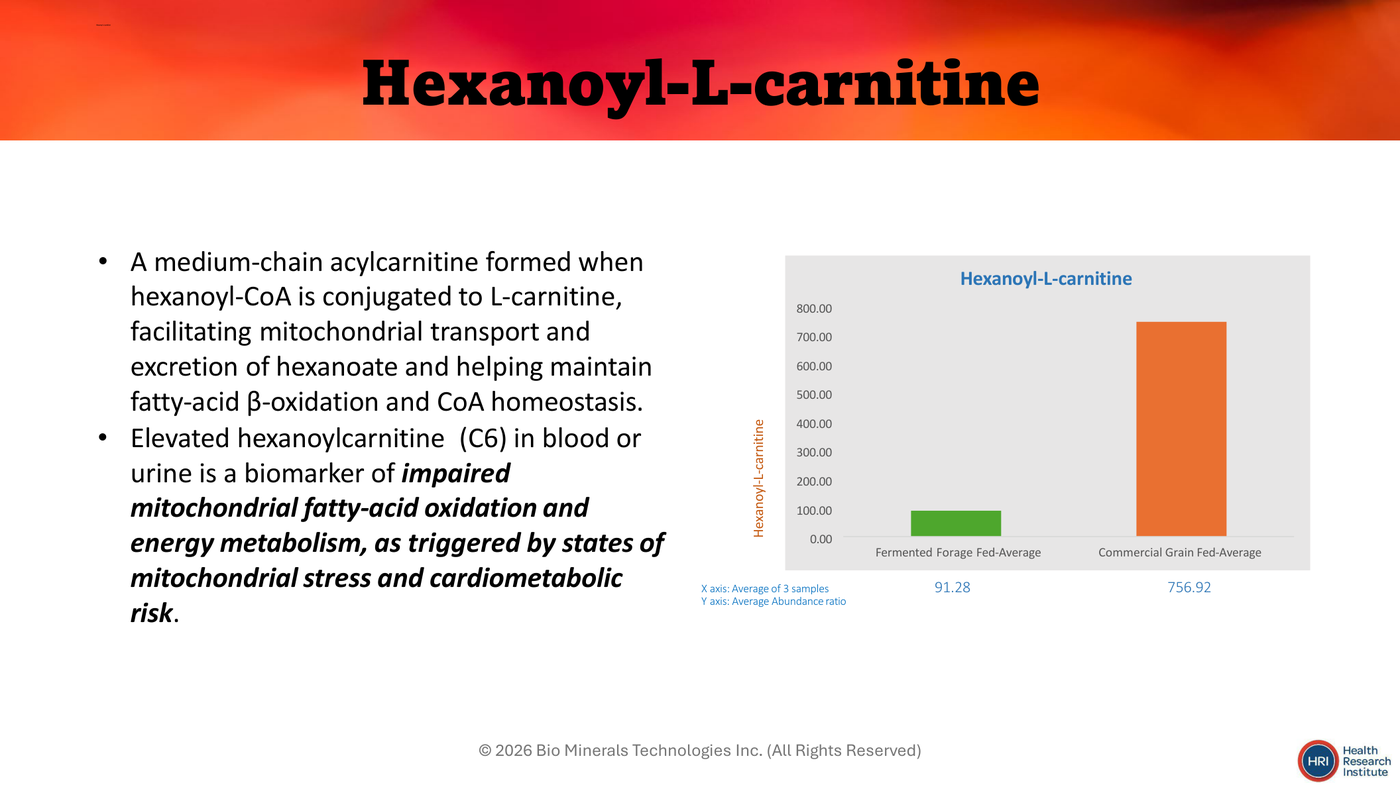
Independent labs, Microbac Laboratories and Utah State University, tested fermented-forage-fed beef against grain-fed and grass-fed. The numbers are not close.
Full test data © 2026 Bio Minerals Technologies Inc. · Download the full OBNB science deck (PDF)
OBNB is produced to a standard no feedlot or ordinary grass-fed operation matches, four non-negotiables, verified by independent labs.
A diet matched to the cell and metabolic intelligence of the animal: naturally prepared forages rich in carbohydrates and minerals, plus specialized fermentation that dramatically increases the nutrition available to the animal.
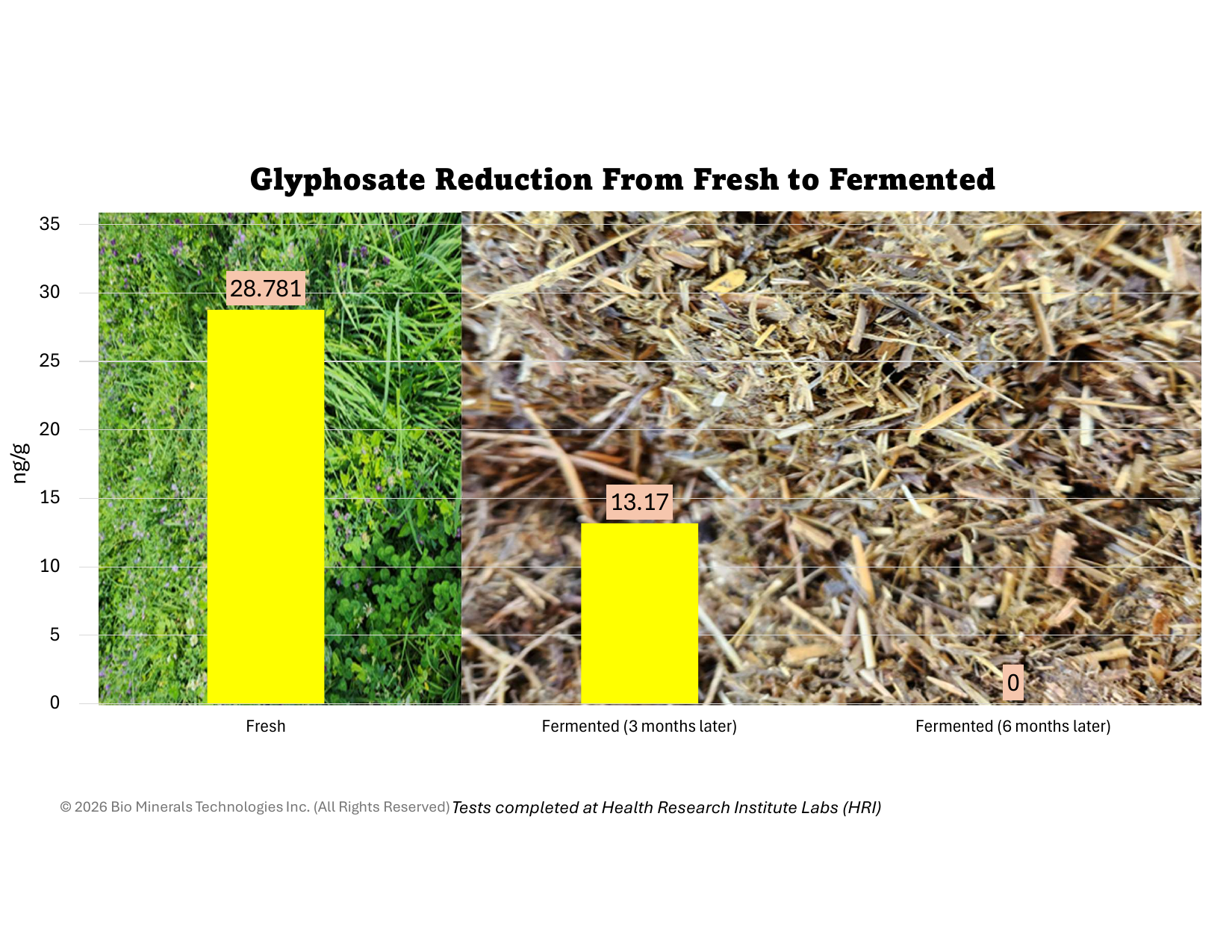
Natural forages that are chemical free and non-GMO: no genetic engineering or modification, and glyphosate free.
No vaccinations (especially no mRNA-based vaccines), no steroids, no implants, and no antibiotics. Ever.
No seed oils or grain/vegetable oils in the ration, producing a balanced omega-6 to omega-3 ratio that is critical for cellular and metabolic health.
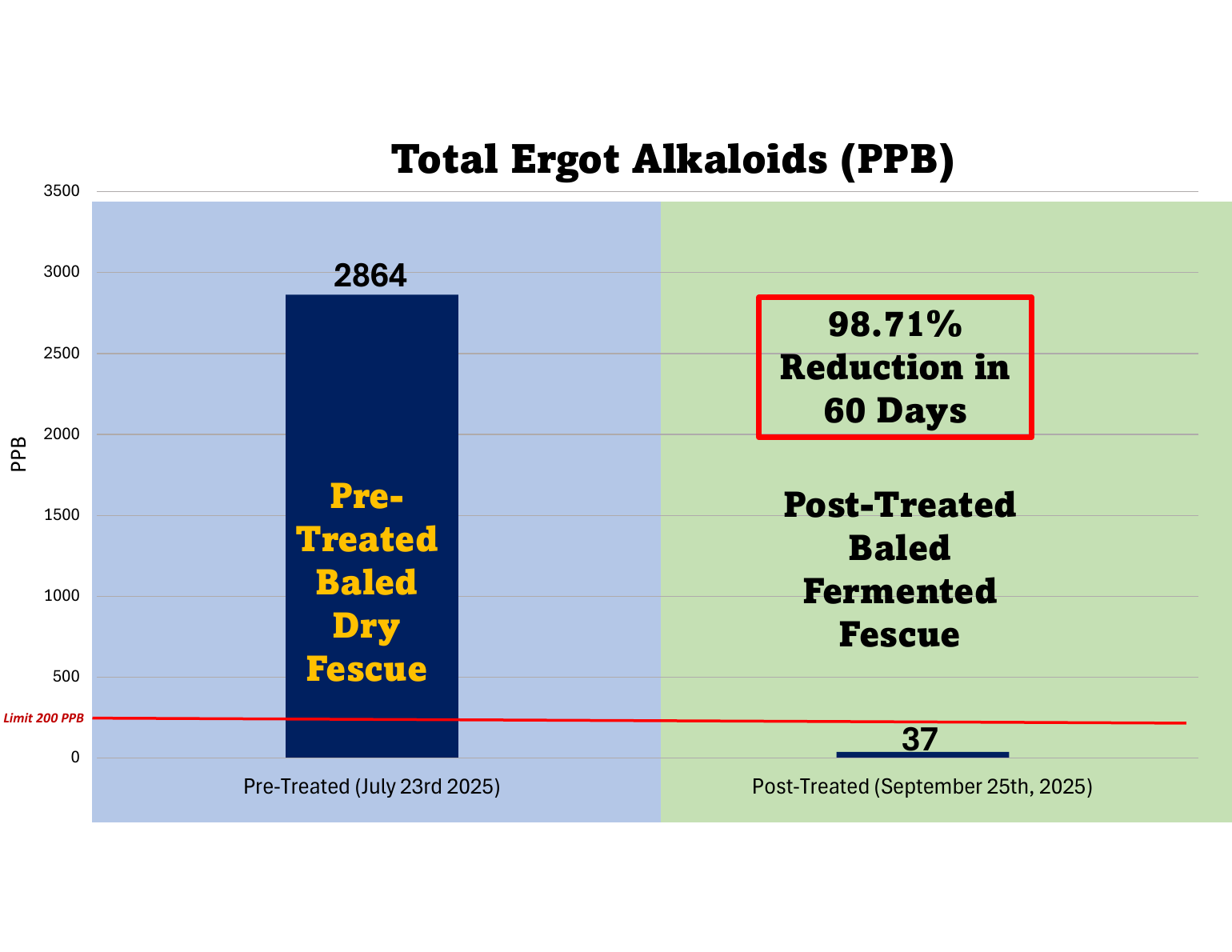
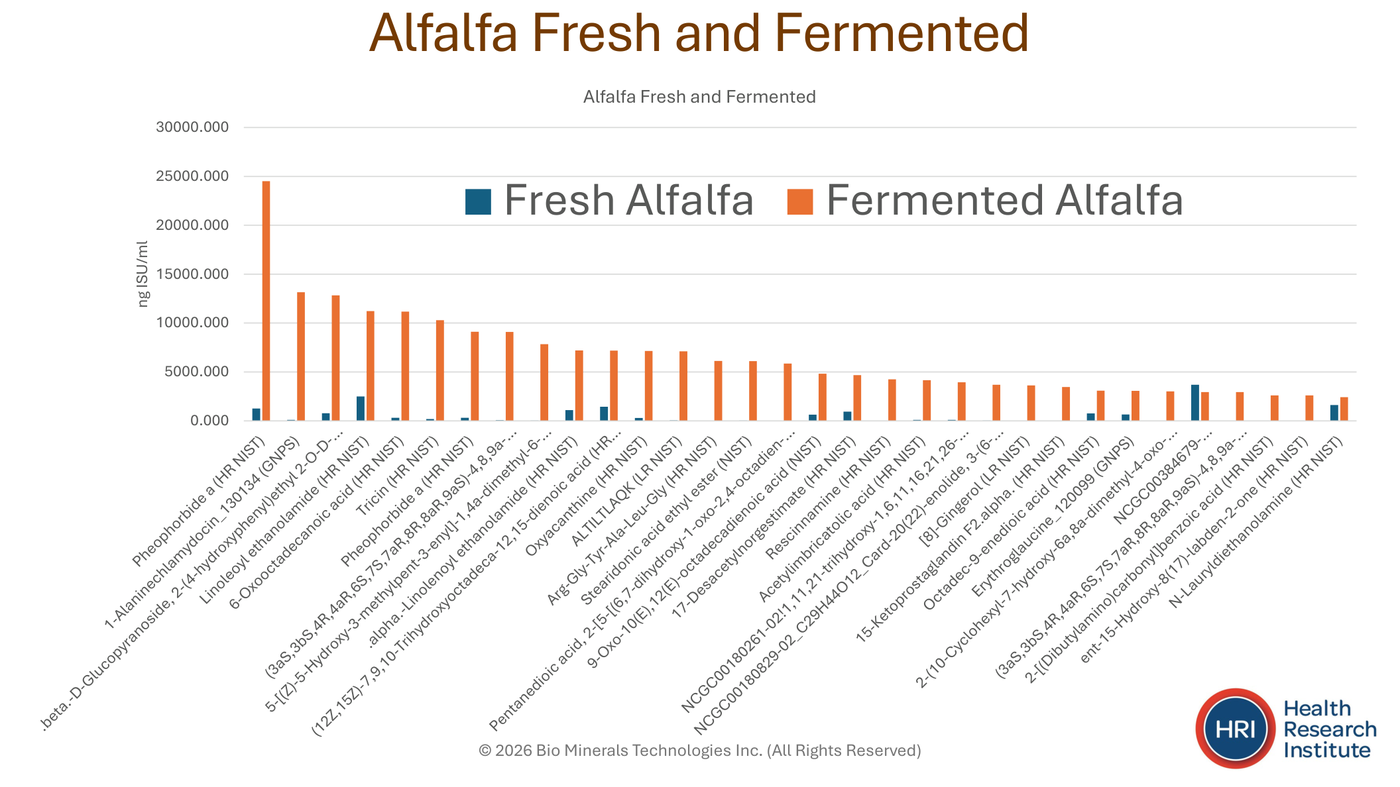
Chymostatin, the anti-nutrient that blocks chymotrypsin, the pancreas' potent protein-digesting enzyme, is broken down by fermentation. Protein digestibility of the forage is optimized in the animal.
Meat is a direct end-product of its diet. Grass-fed since creation, grain-finishing since the 1950s, and fermented-forage feeding since 2006: three diets, three very different meats.
| Not the same meat | Grass-fed, grass-finished since creation | Grass-fed, grain-finished since the 1950s | Fermented-forage-fed OBNB since 2006 |
|---|---|---|---|
| Omega-6 : omega-3 | 2:1 to 4:1 | 7:1 to 30:1 | 1:1 |
| Character | Antioxidative, anti-inflammatory | Highly oxidative, highly inflammatory | Antioxidative, anti-inflammatory |
| Toxic compounds | None | 4-Hydroxy-nonenal, malondialdehyde, 100+ oxidized linoleic-acid metabolites, acrolein, carboxyethylpyrrole and many more | None |
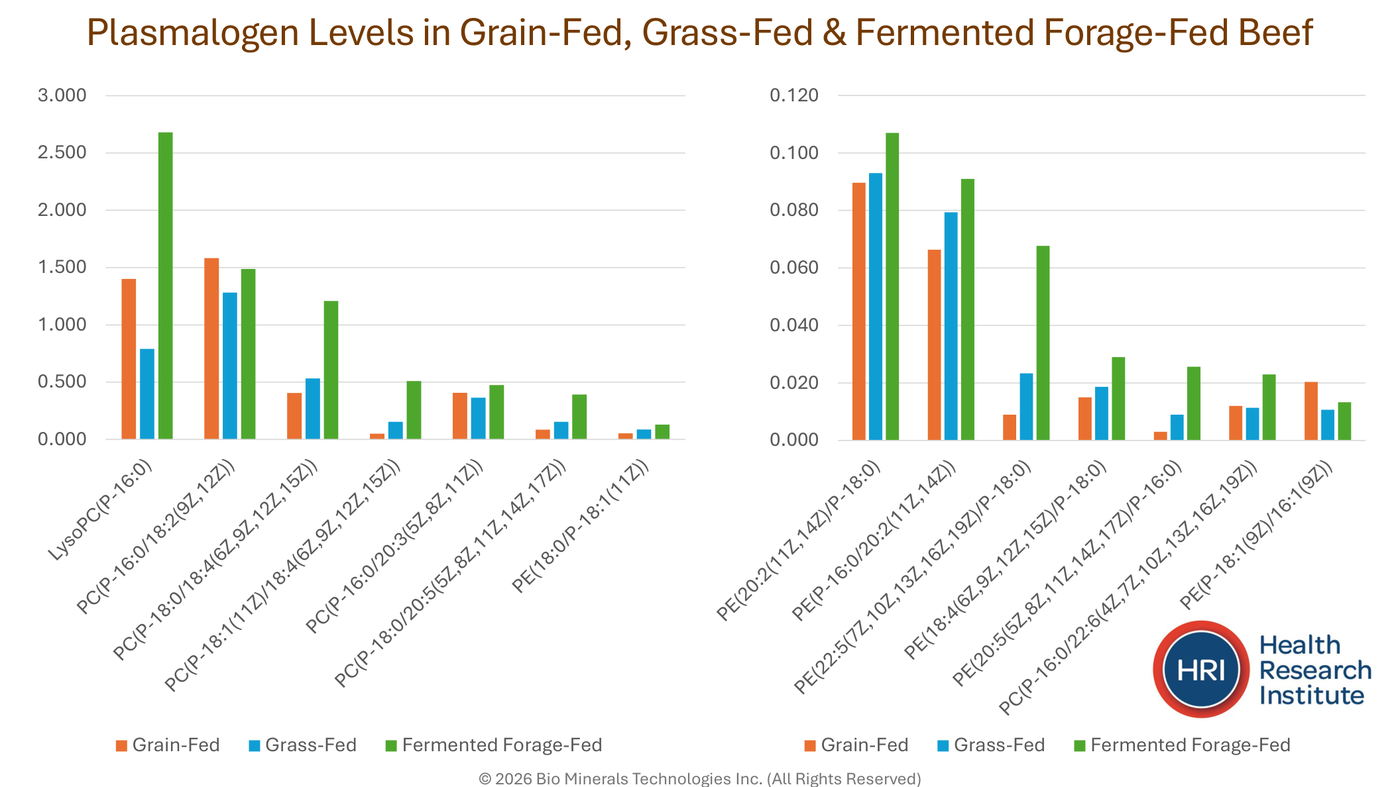
| Plasmalogens (HRI score) | 23.178 | 25.013 | 44.358 |
| Lysolecithins (HRI score) | 25.013 | 23.178 | 53.589 |
| Toxins in the system | Some vaccinations | Vaccinations, antibiotics, GMOs, agricultural chemicals, growth implants/hormones, seed oils | None |
| Effect on metabolic health | Health promoting | Promotes metabolic dysfunction and disease in animals and humans | Higher antioxidants, anti-inflammatories, amino acids, nutrients and fatty acids, nutritionally superior |
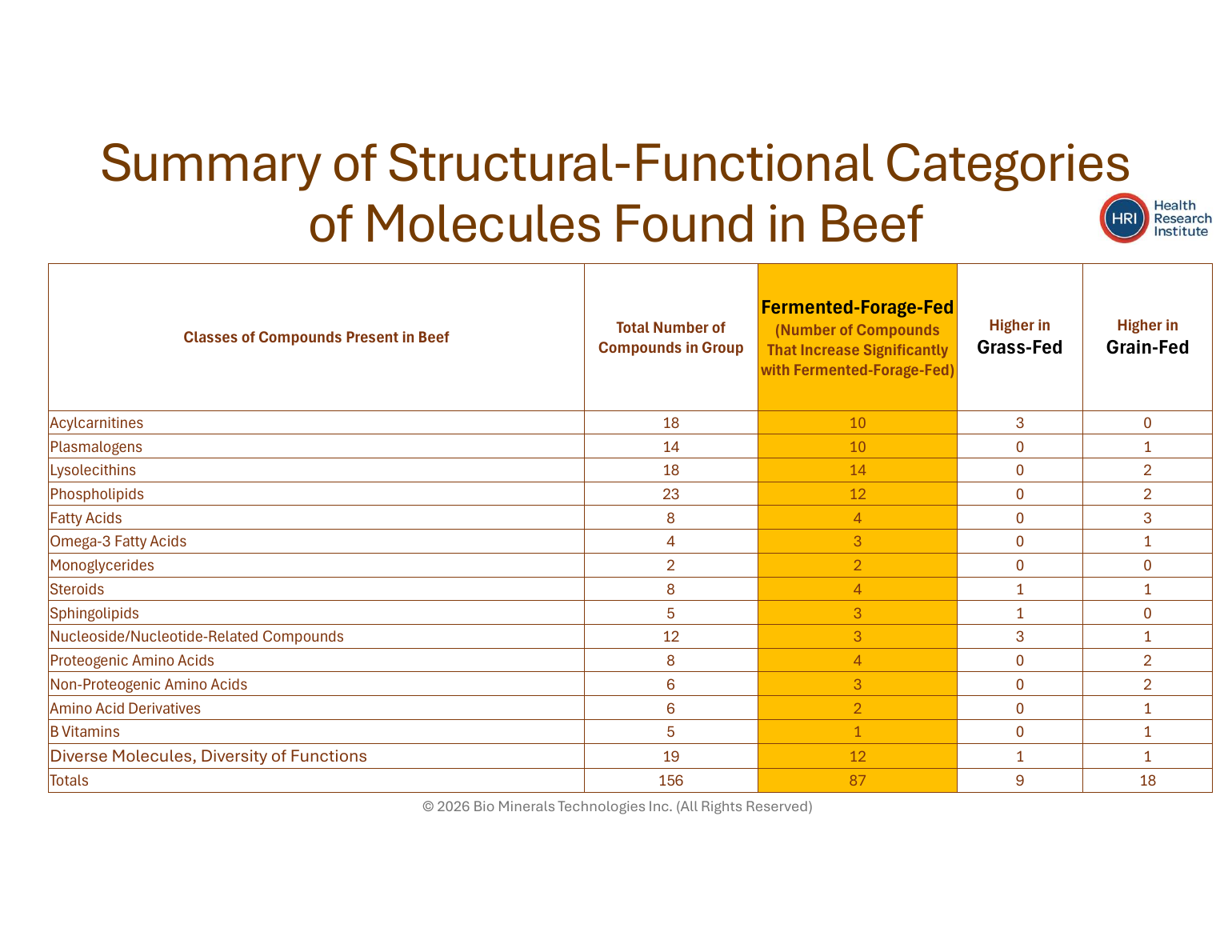
156 compound classes counted: 87 significantly higher in fermented-forage-fed beef, 9 higher in grass-fed, 18 higher in grain-fed. 10 of 14 plasmalogens and 14 of 18 lysolecithins run significantly higher on fermented forage.
When omega-6 linoleic acid peroxidizes in meat, the body inherits the whole cascade. Once inside you, these compounds mutate cells, damage DNA, drive cancer and birth defects, form arterial plaque, generate clots and promote obesity.
Mechanism per Dr. Chris Knobbe, MD. In the absence of oxidative stress some of these signaling lipids are benign, but the oxidative stress prevalent today makes their harmful influences predominate.
It starts with what the animal eats. Fermenting biodiverse forage changes everything downstream.
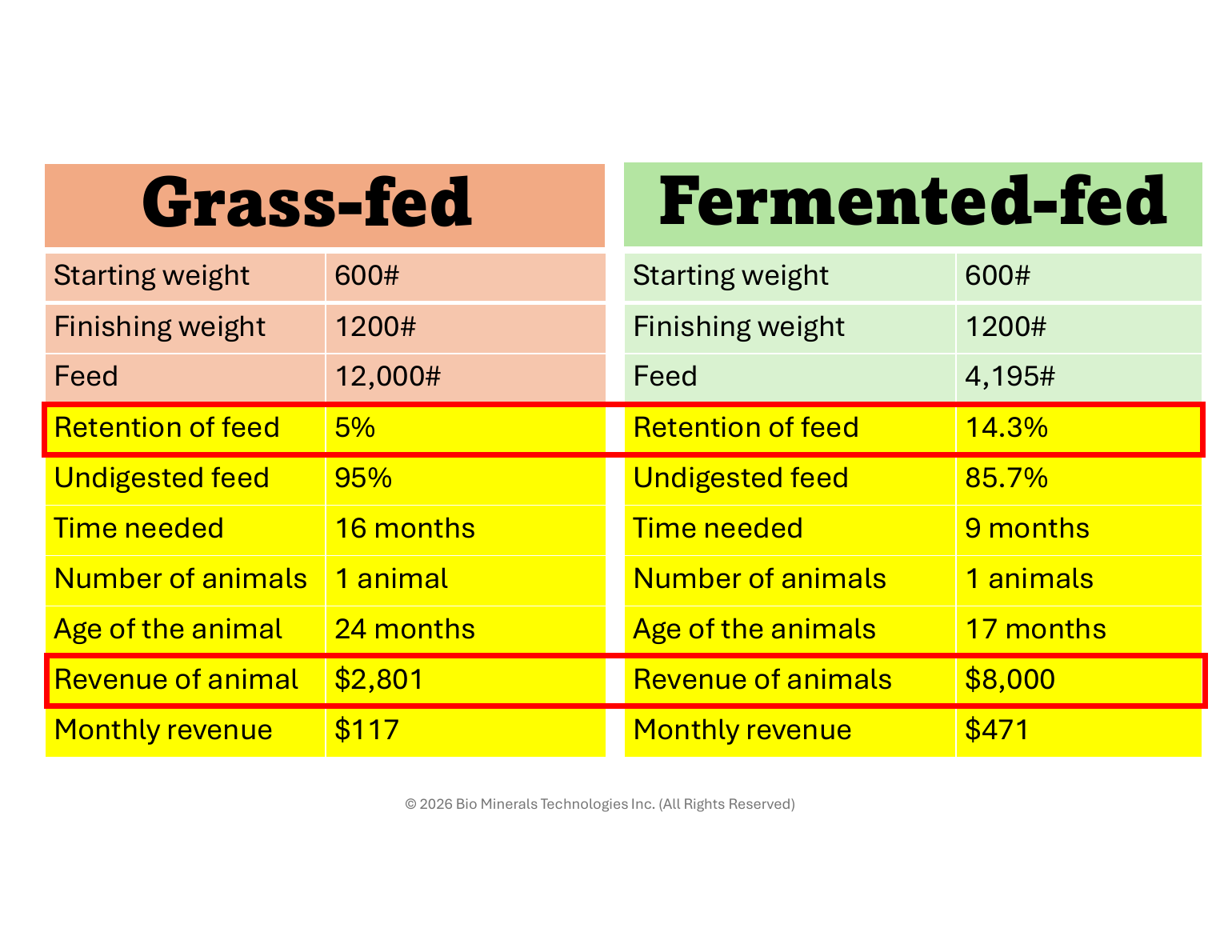
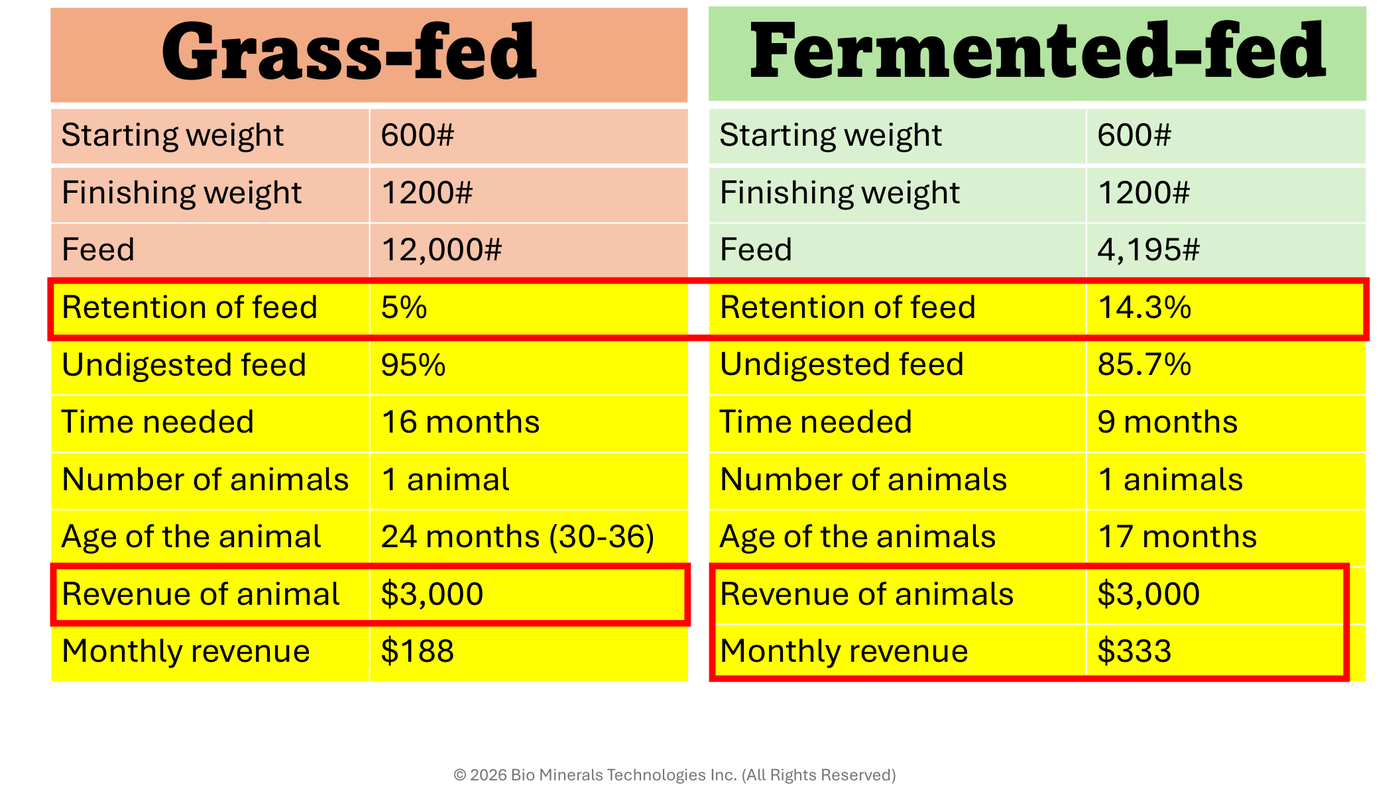
Fermented forage improves feed conversion by at least two-fold: less feed, faster growth, shorter time to market.
Higher margins for producers: $333/month revenue vs $188 for grass-fed: profitability without compromise.
The healthiest essential-fatty-acid ratio of any beef: tender, delicious, and genuinely good for you.
Fermentation remediates Roundup/glyphosate and pathogenic chemicals: cleaner meat, safer people.
Plasmalogens, lysolecithins, acylcarnitines and omega-3s at levels no other production system reaches.
To market in 17 months versus 24 for grass-fed, on less than half the feed (4,195 lb vs 12,000 lb) with 14.3% feed retention vs 5%, while being the healthiest option.
Bare desert. Crusted soil. No water cycle. This is where so much of America's drylands sit today, and where the cattle already live.
The very method that makes food healthy also regenerates the land it's raised on. It's not a trade-off; it's one system doing both.
Grasses and plants are cut, compressed, and fermented, boosting nutrition and neutralizing toxins before they're ever fed.
Healthy cattle thrive, growing faster with less feed, and their dung & urine become the life-giving "biocarpet" on the soil.
A thick layer of dung & urine blocks the sun's sterilizing UV rays, holds moisture, and reseeds life: microbes, fungi, then grass roots.
Regenerated land cools itself and restarts the micro water cycle, raising rainfall, refilling aquifers, cooling whole valleys.
Exactly the side effect we're after: healthy food for people, and living, breathing land restored in the process.
Once we green at least 150,000 acres around the Salton Sea, we change the micro water cycle, producing 8 to 9 inches of rain a year, cooling the region, and replenishing the aquifers.Deserts to Grasslands, the regenerative plan
Can we turn deserts into grasslands to feed the future? Rodger Savory explains the method that makes healthy meat and brings the land back to life.
The plan, at national scale, and the processing technology that makes it possible.
The plan builds on the patented No-Spinal-Cord (NSC) processing technology from NSC Beef Processing, LLC, invented by founder & CEO Gary Hendrix (Butchermaster). Their system takes a beef animal from kill floor to truck in 24 hours, bones a full carcass into primals in under 20 minutes with one worker, uses no splitting saws and no spinal-cord exposure, cutting labor 30 to 50%, cooling meat twice as fast as industry standard, and lowering energy cost and shrinkage. New boneless (game-style) meat processing like this is what lets small regional plants in ten states handle 5.6 million animals a year.
Technology & figures credit: NSC Beef Processing, LLC, Gary Hendrix, Owner / Inventor (Butchermaster).
Thirty years of experiments across Africa, Australia, Canada and the US, finally cracked how to green the desert without irrigation.
How a desert plot became fertile grassland in one season.
Play episode →Regrowing vegetation to cool a region and shift the micro-climate.
Play episode →Carbon removal, biochar and what the XPRIZE really rewards.
Play episode →What the herd actually eats in the desert.
Play episode →The full living toolkit working the soil back to life.
Watch on YouTube →The mission in two minutes: the official overview film.
Watch on YouTube →Rodger Savory on re-wetting drylands: full video.
Watch on YouTube →We use heat-adapted breeds already used to hot, dry desert, plus portable shade cloth and misters. Their welfare is the priority: healthy, happy cattle are the whole point, and we run mobile chicken units alongside them for shade and cooling.
We grow biodiverse, soil-building forage nearby under irrigation, cut it, and compress it into silage or feed it fresh, trucked to the herd within 2 to 3 hours of cutting. It's the fermented forage that makes the meat healthy and begins regenerating the soil.
In a feedlot, yes, that's a broken system. When cattle move across living land the way nature intended, methane is part of a closed cycle and no additional methane is produced. A great read on the science: Should Meat Be on the Menu?
A term coined by Rodger Savory, Biocarpeting©: a thick layer of dung and urine from livestock that shields soil from harmful UV, holds moisture for seed germination, and prevents evaporation. It's the warm, wet, dark environment that restarts the fungi and microbes desert sand is missing: the first step back to real soil.
The Salton Sea sits between two mountain ranges and gets only 2 to 3 inches of rain a year. Calculations, observation and research show that greening at least 150,000 acres changes the micro water cycle, triggering 8 to 9 inches of rain a year, cooling the region, and replenishing aquifers.
Yes, independently lab-tested at Utah State University, Microbac Laboratories and the Health Research Institute. Fermented-forage-fed OBNB measures an 0.83:1 omega-6:3 ratio on the full fatty-acid panel, scores 44.4 (plasmalogens) and 53.6 (lysolecithins) on the HRI antioxidant/anti-inflammatory scale versus 25.0 and 23.2 for grain-fed, and carries 87 of 156 measured compound classes at significantly higher levels, up to 21,400% higher, with none of the oxidative toxins found in grain-fed beef and glyphosate effectively removed.
“Don’t you want healthy children?” Kennedy asked. The audience gave its answer with huge applause.
He said they’d agreed on the importance for the country of safe food and ending the chronic disease epidemic.
Robert F. Kennedy Jr. & Donald J. Trump : Glendale, Arizona · August 23, 2024 via The MAHA Report · Margaret MengeJoin the movement turning America's drylands back into grassland, one healthy, delicious steak at a time.
Questions or licensing: infofixdeserts@gmail.com